In industrial water treatment, scaling raains one of the core
challenges affecting systa efficiency and safety. As water resources
grow increasingly scarce, increasing the concentration ratio of
circulating water systas has become a key measure for water conservation
and aission reduction. However, this simultaneously significantly
elevates scaling risks, particularly for difficult-to-treat calcium
phosphate scale, zinc scale, and organic phosphate scale. Traditional
scale inhibitors often prove inadequate under the daanding conditions of
high concentration ratios, high hardness, and high alkalinity. This has
spurred the development of multifunctional scale inhibitors featuring
unique macromolecular structures, which have revolutionized scale
inhibition technology through their exceptional dispersing capabilities.
...
The primary applications of Polyamino Polyether Methylene Phosphonic Acid
I. Challenges in Treating Complex Industrial Systas
Modern
industrial water systas often face multiple challenges simultaneously,
including high hardness, high turbidity, and high corrosion. Traditional
single-function treatment agents struggle to meet comprehensive
protection requiraents. The aergence of polyamino polyether-based
methylenediphosphonic acid compounds offers a novel holistic solution
for such complex systas.
...
Chemical Structure:
Composed of two 1,6-hexamethylene (i.e., hexamethylene diamine) molecules connected to a triamine group and five methylphosphonic acid groups.
Appearance and State:
Typically appears as a transparent liquid ranging in color from yellow to reddish-brown.
...
To protect the environment and ensure the efficient use of resources, wastewater must be treated to meet discharge standards before it can be discharged or recycled. In this process, chemical agents play a crucial role. Depending on their intended use, these agents are categorized as follows:
...
In the normal operation of the reverse osmosis equipment, you need to
use a variety of water treatment chemicals to ensure the stability of
the system and the quality of water production. The following are
several commonly used water treatment chemicals:
...
There are many kinds of water treatment chemicals, mainly including flocculants, scale inhibitors, corrosion inhibitors, biocides, defoamers and cleaning agents. These agents play a vital role in the water treatment process.
Flocculants: used to accelerate the coagulation of suspended particles and help impurities in water to form large particles for subsequent treatment.
...
1, diversification and integration of applications
Water treatment technology means and process routes are developing in the direction of diversification, and tend to integrate a variety of technologies to improve treatment efficiency and adapt to a wider range of water quality requirements. This includes physical, chemical and biological treatment methods and their combinations, such as membrane technology, advanced oxidation processes (AOPs), biological treatment technology (such as MBR, that is, membrane bioreactor) and natural treatment systems.
...
At present, we have a general knowledge of the environmental market, is the traditional environmental market has reached the top, and now environmental protection enterprises to do is to develop a new “main battlefield”. So what the future market will be released, the way out of environmental protection enterprises?
...
In the bitter winds of the industry winter, many environmental listed companies are trapped in the performance decline, intensified competition in the market, increased financial pressure, difficult to pay back and other difficulties. But even so, they still did not retreat, but actively explore the way out, in full force to do a good job.
...
Ningxia NINGDONG Energy and Chemical Industry Base implements the requirements of the pilot construction of “Four Water Four Settings”, gives priority to water conservation, focuses on water-based production, promotes the optimization and upgrading of industrial structure, actively cultivates new water-saving industries, guides enterprises to change their water consumption mode, improves water consumption efficiency, improves the park's water resource management system, and builds the first batch of water-saving parks in the whole region and the first national industrial wastewater recycling pilot park in the northwest of China. It will be the first water-saving park in the region and the first national industrial wastewater recycling pilot park in Northwest China.
...
In the face of the urgent need for precise treatment of characteristic pollutants in water bodies, the efficient development of environmental functional materials has long been limited by the bottleneck of unclear analysis of key action mechanisms and lack of high-quality data resources. In recent years, Professor Zhang Weiming's group at Nanjing University has innovatively proposed the research paradigm of “water treatment adsorbent material data resource driving”, which has successfully realized the closed-loop optimization of adsorbent materials from “performance evaluation-mechanism analysis-targeted design” through the systematic construction of a multi-source heterogeneous material database and the development of advanced machine-learning analysis tools, and has provided an opportunity for the efficient development of functional materials for the environment. Targeted design", providing a new path for the intelligent development of environmental functional materials. The group has carried out a series of researches on the application strategy of adsorbent material data resources, including data-driven adsorption model development (Separation and Purification Technology 368 (2025) 133019), data-driven high-throughput material screening (Separation and Purification Technology 339 (2024) 133019) and data-driven high throughput material screening (Separation and Purification Technology 339 (2024) 133019). Technology 339 (2024) 126732), and data-driven material reverse engineering (Environmental Science & Technology 2024, 58, 15298-15310). In this context, based on the previously constructed adsorbent material dataset for target pollutants, the group further expanded the adsorbent material dataset for a variety of oxygen-containing anions. It was found that the existing literature datasets generally have serious data bias problems: 1. about 80% of the data are concentrated in pH-neutral conditions (pH=7), while the samples under acidic and alkaline conditions are seriously scarce, leading to the modeling error in judging the influence of pH on the adsorption regulation; 2. about 65% of the initial pollutant concentrations are distributed in the range of 10-100 ppm, and data for the application scenarios of high-concentration and low-concentration waste water treatment are missing, resulting in the modeling error in judging the effect of pH on the adsorption. The lack of data for the application scenarios caused the model to misrepresent the negative correlation between concentration and adsorption. This “survivor bias” caused by “publication bias” has seriously misled the scholars to analyze the adsorption mechanism, for example, the model incorrectly determines the spatial resistance as the dominant mechanism, which is contrary to the real adsorption phenomenon. In order to address the above challenges, the group innovatively proposed an “experimental-literature composite dataset” equalization strategy, in which 697 sets of experimental data were supplemented for real-world application scenarios (e.g., typical wastewater conditions: pH 1-6, concentration 1-1000 ppm). This strategy significantly improves the model performance, with the prediction accuracy improved by 4.49% and the confidence interval narrowed by 50%. Based on the equalized dataset, the feature importance analysis clearly showed that the electrostatic effect dominated the adsorption process with a contribution of 48.4%. And the experimental validation results are consistent with this inference: the quaternary amine resin enhanced the adsorption of CrO42- by three times compared with the primary amine resin due to its higher charge density. Meanwhile, DFT theoretical calculations also supported the dominance of electrostatic interaction (rather than spatial site resistance) in the adsorption process. As a result, the group further oriented the covalent organic polymer COP-A, which enhanced the adsorption capacity by 56% compared with the conventional material through the enhancement of charge density. This study has constructed a new paradigm of “data equalization-feature classification-mechanism quantification”, which provides an effective method for the common problem of “distortion of data leads to distortion of conclusions” in the study of adsorbent materials for water treatment, and provides scientific guidance for the precise separation of characteristic pollutants in water.
...
In order to deeply implaent the Third Plenary Session of the 20th CPC
Central Committee to build a beautiful China, accelerate the economic
and social development of the overall green transformation of the spirit
of the implaentation of national and local sewage managaent policy
documents, to promote the green and low-carbon treatment of wastewater
and the utilization of resources technology, process, program innovation
and application, and to promote the water industry, investment,
construction, operation, innovation and integration and sustainable
development of the Chinese Chaical Industry Association, the Chinese
Chaical Industry Association, the National Engineering and Technology
Research Center of industrial water treatment, and the China Railway
Shanghai Engineering Bureau Group Co. Ltd. will jointly hold “2025 Forum
on Green and Low-Carbon
...
1. For shampoo, hair care products, architectural coatings, fabric softener, etc.
...
Product Features
Tolyltriazole(TTA) is white or light yellow
granular.Tolyltriazole(TTA) is a mixture of 4-methyl-benzotriazole and
5-methyl-benzotriazole, the melting point is from 80℃ to 86℃, soluble in
alcohol, benzene、toluene、chloroform and watery lye, and hardly soluble
in water.
...
Glutaraldehyde is colorless or yellowish transparent oily,
liquid with a pungent odor, and can be dissolved in organic dissolvent
such as water, ether and ethanol.
...
polyaspartic acid sodium salt is a kind of biopolymer materials, of which molecules contains abundant
amido bond, carboxyl and other active groups. Amido peptide bond has
biological activity and high chemical stability, hard to decompose at
high temperature; carboxyl group can be complex with many metal ions in
water, which make
...
edta 4na is white crystalline powder,easily soluble in water and slightly soluble in organic solvent. EDTA.NA
...
Many people want to understand the use of papemp, here we briefly introduce, hope that for those who want to understand the use of papemp helpful!
PAPEMP can be used
as scale inhibitor for reverse osmosis system and multistep flash
vaporization system in which high salt concentration, high turbidity and
high temperature are usually encountered (such as high temperature and
high turbidity in coal vaporization system), accessory agent for woven
& dyeing (for example, yellow turnback inhibition agent), as
alternatives of EDTA, DTPA and NTA. PAPEMP can work with HPAA and ATMP
together.
...
About us
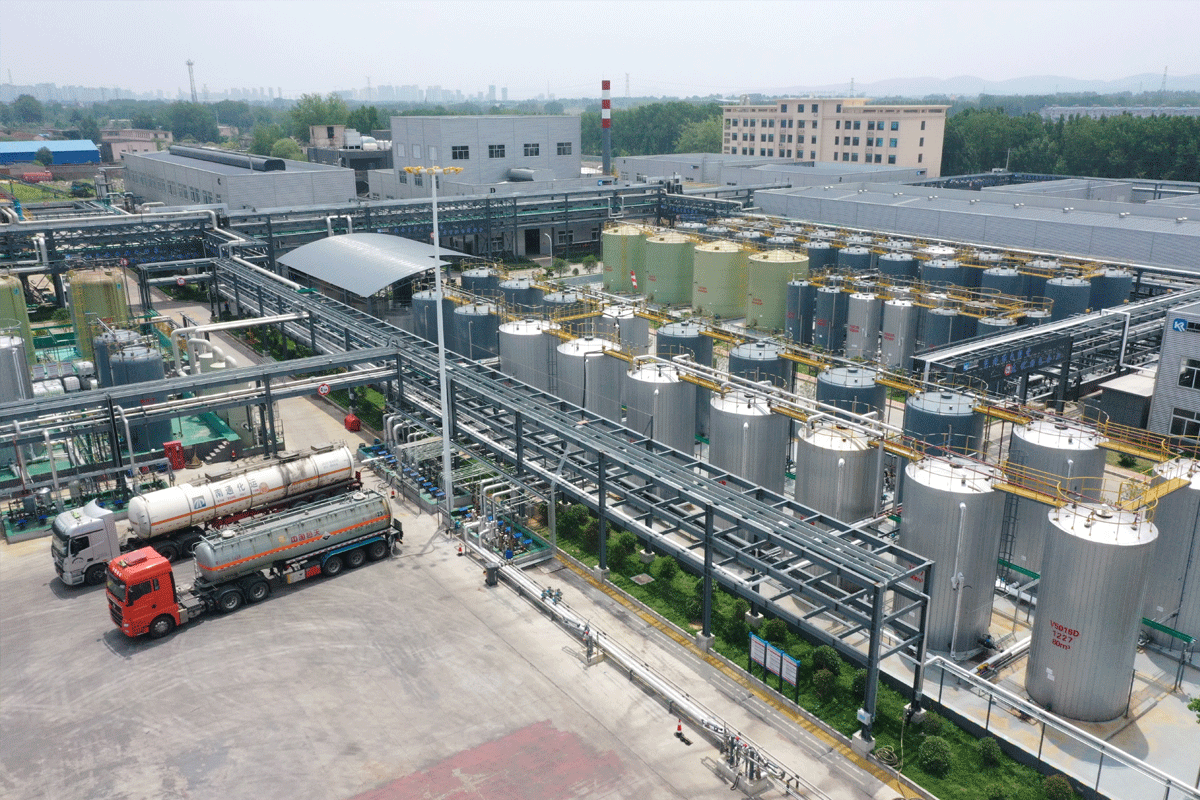
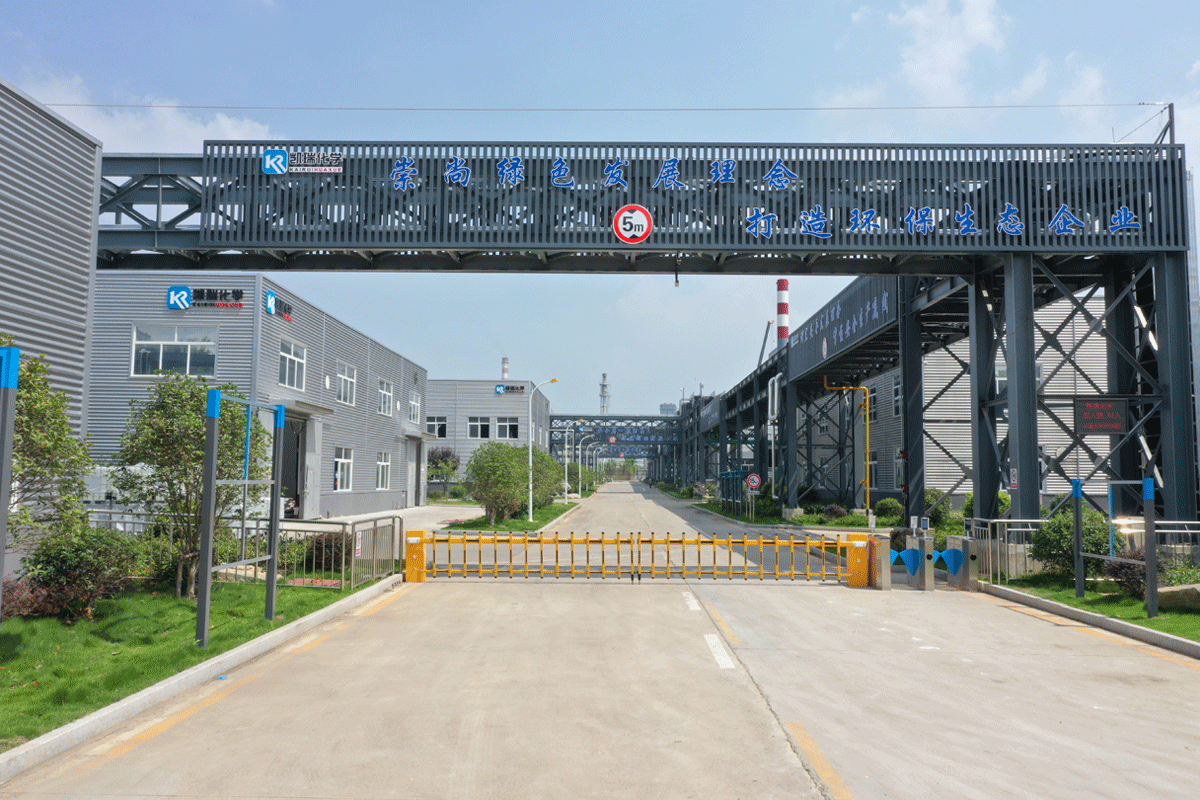
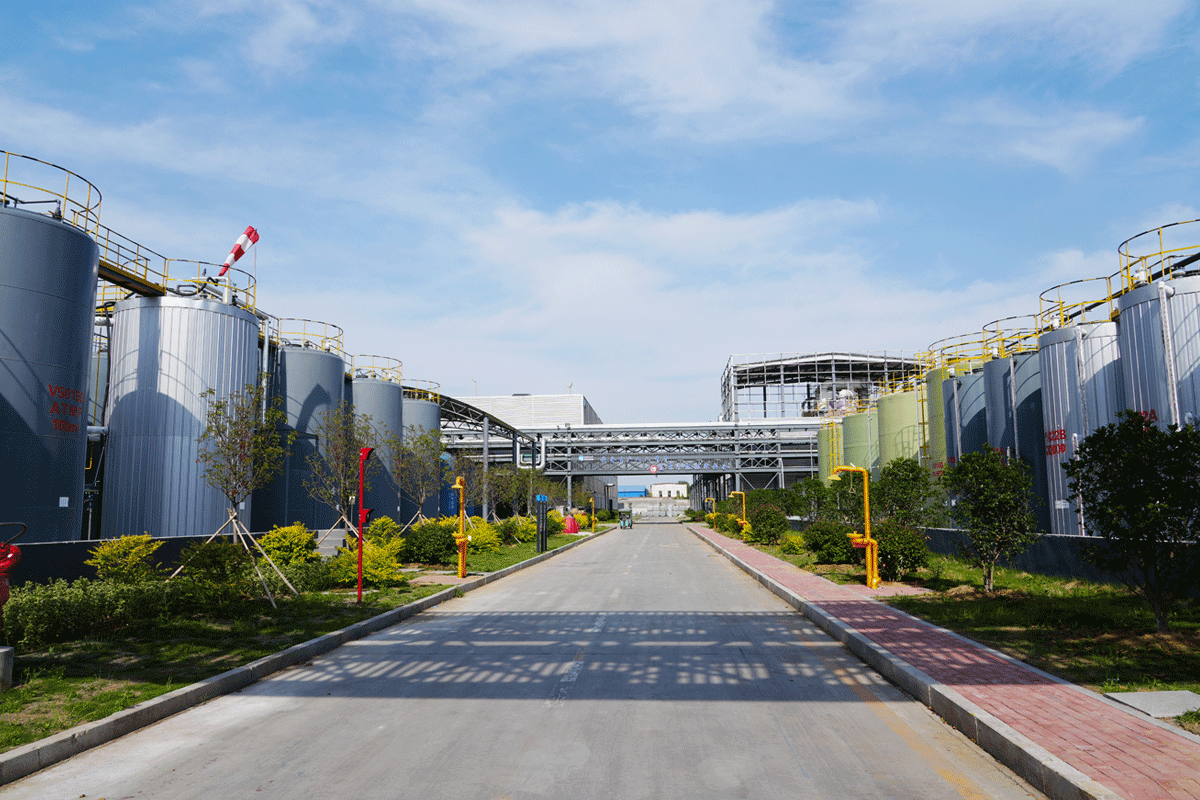
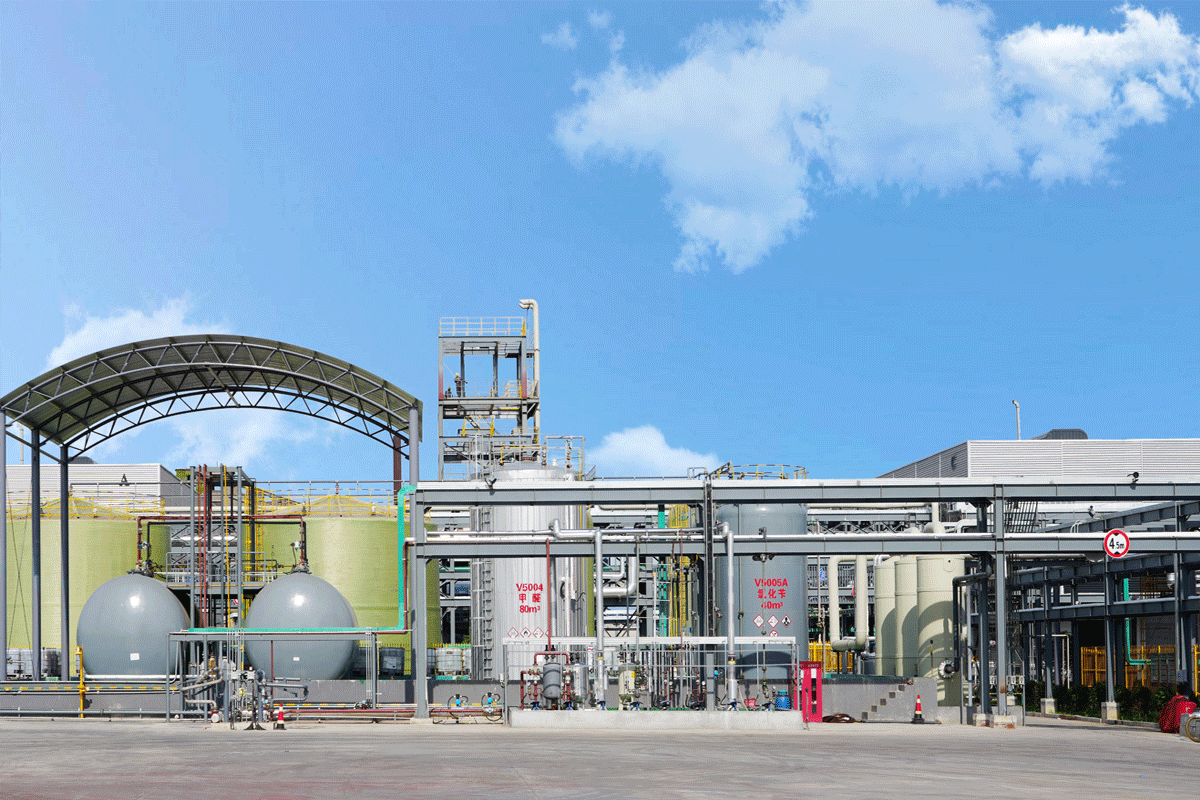
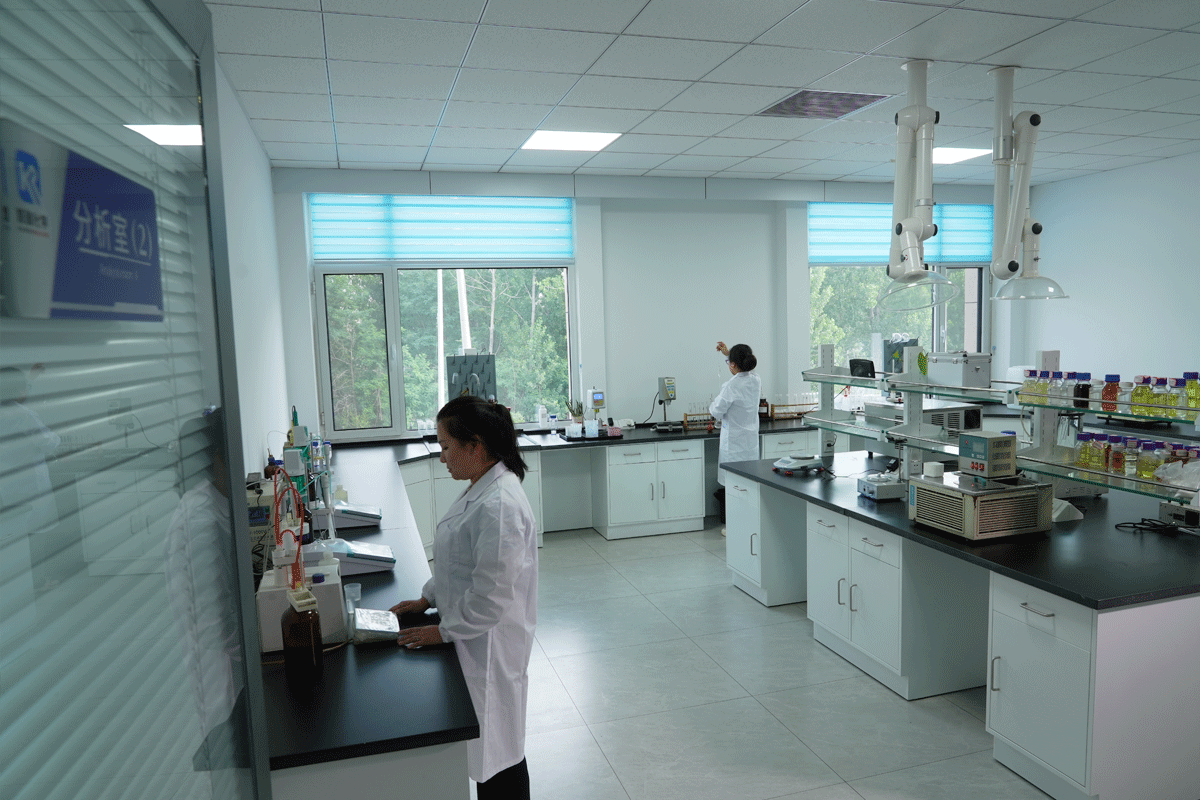
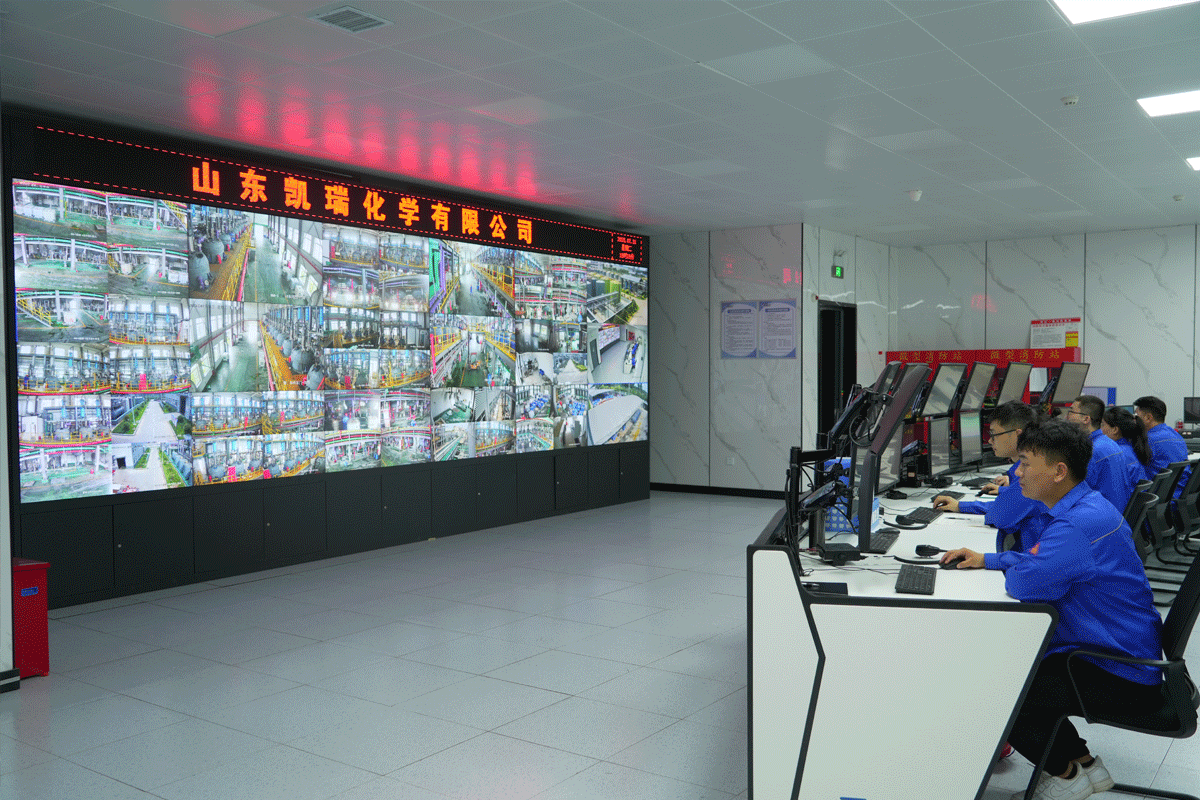
Shandong Kairui Chemistry Co., Ltd. is located in Xuecheng Chemical Industrial Zone of Zaozhuang City, plant size is around 67,000 m2, adopts advanced continuous mass production technology and DCS automatic control system. Built with 5 workshops for Phosphonates, Polycarboxylic Polymers, Biocides etc., company’s monomers production capacity achieve 280,000 tons per year. Besides industrial water treatment, our products are also widely used in oilfield, detergents, textile & dyeing, paper-making, seawater desalination and other fields.
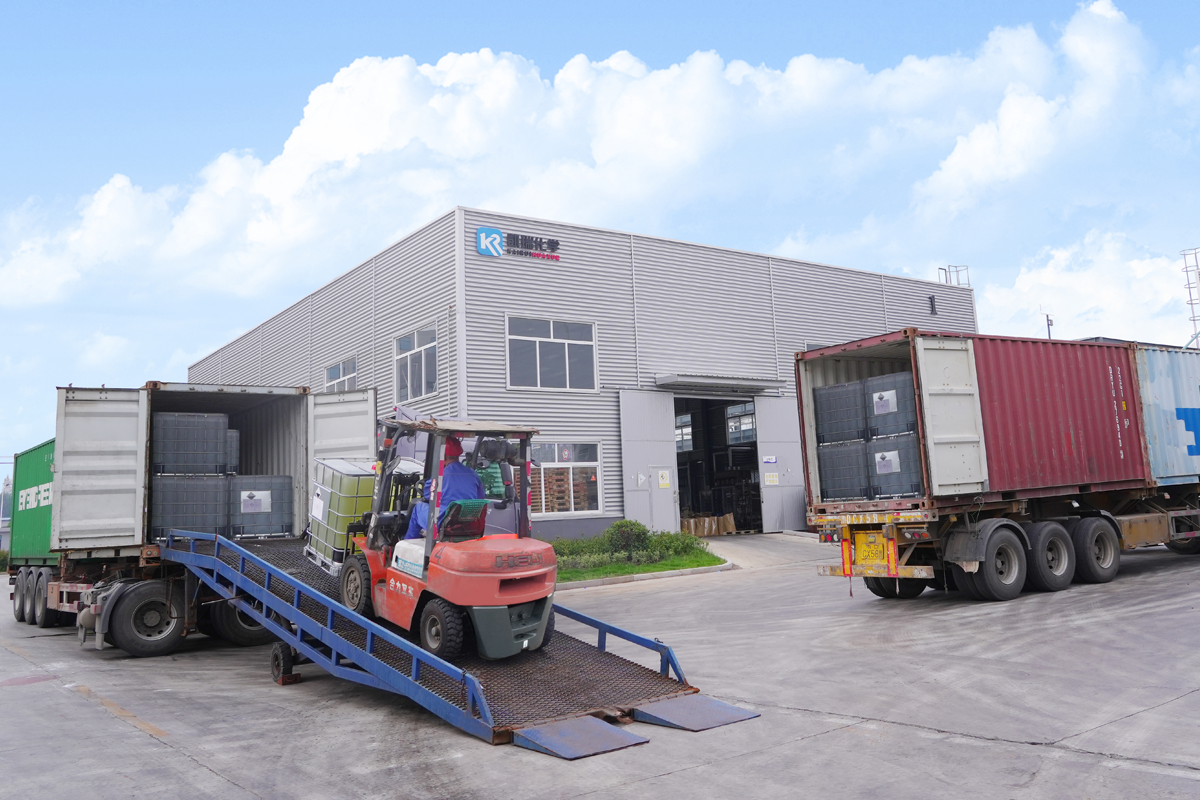
Kairui Chemistry has experiences of nearly 20 years in the R&D, production management and upstream&downstream of supply chain management , as well as more than 15 years’ export experiences, fast quotation system and the professional dangerous goods operation team, which ensure timely delivery and professional&satisfied service for global clients. Until now, our products have been exported to more than 70 countries.
Factory View